Av. Independencia 853, University Zone, Santo Domingo, D.R.
Mon - Fri: 7:00 a.m. - 7:00 p.m. Sat: 8:00 a.m. - 1:00 p.m.
English
Eye health in adults over 65 years of age

Eye health in adults over 65 years of age

Thursday, 17 November 2022

Vision changes occur as you age, but these changes don't have to affect your lifestyle. Knowing what to expect and when to seek professional care can help you safeguard your vision. Starting at age 60, you should know the warning signs of age-related eye health problems that can lead to vision loss.

Everything you need to know about ocular myasthenia

Everything you need to know about ocular myasthenia

Thursday, 10 November 2022

Myasthenia gravis is a chronic autoimmune neuromuscular disease that causes weakness in the voluntary muscles, which are responsible for functions related to breathing and movement of parts of the body, including the arms and legs.

What is macular edema?

What is macular edema?

Thursday, 03 November 2022

Macular edema is swelling of part of the retina, the light-sensitive layer of tissue at the back of the eye. People with macular edema may have blurred vision, but treatment can help reduce swelling and prevent vision loss.

What is blepharospasm?

What is blepharospasm?

Thursday, 27 October 2022

Blepharospasm is a neurological disorder that causes uncontrollable muscle movements that cause the eyelids to close or have difficulty opening. This can affect patients' ability to see.

Lazy eye or amblyopia

Lazy eye or amblyopia

Thursday, 13 October 2022

Amblyopia, or lazy eye, occurs when one eye becomes weaker than the other during infancy or childhood. The brain favors the better-seeing eye, allowing the weaker eye to worsen over time.

Redness of the eyes

Redness of the eyes

Friday, 07 October 2022

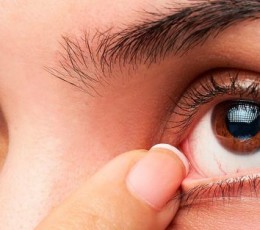
Having red eyes can be worrisome, or even frightening, especially when you don't know why it is happening. The redness is due to swelling and inflammation of the blood vessels on the surface of the eye. Most red eye complaints are not cause for concern, but there are cases that are of greater importance.

What is endophthalmitis?

What is endophthalmitis?

Thursday, 29 September 2022

Endophthalmitis is a bacterial or fungal infection of the eye that affects the fluids or tissues of the eyeball, including the aqueous humor and vitreous humor.

What is photokeratitis?

What is photokeratitis?

Thursday, 15 September 2022

Photokeratitis is a painful, temporary eye condition caused by exposure to ultraviolet (UV) rays, usually from the sun. Photokeratitis can be compared to a sunburn, except that it affects the cornea of the eye rather than the skin. UV exposure can temporarily damage the cornea (the clear part of the eye that covers the pupil) and the conjunctiva (a clear layer of tissue that covers the inside of the eyelid and the white of the eye).

What is retinal detachment?

What is retinal detachment?

Thursday, 08 September 2022

Retinal detachment is a serious eye condition that occurs when the retina - a layer of tissue at the back of the eye that processes light - separates from the surrounding tissue.

Dilated pupils or mydriasis

Dilated pupils or mydriasis

Thursday, 01 September 2022

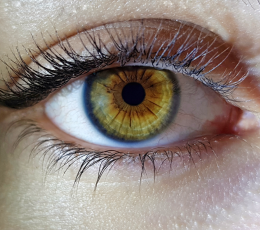
The condition of dilated pupils - or mydriasis - occurs when the black center of the eyes is larger than normal. It can be caused by dilating drops from an eye exam, side effects of medications or traumatic injury.

What is ocular hypertension?

What is ocular hypertension?

Friday, 26 August 2022

Ocular hypertension occurs when eye pressure is above levels considered normal without detectable changes in vision or damage to the structure of the eye. The term is used to distinguish people with elevated pressure from those with glaucoma, a serious eye disease that causes optic nerve damage and vision loss.

FaLang translation system by Faboba
Request an appointment online

Request an appointment online

Click here to go to the form